Dubai is one of the seven emirates that make up the United Arab Emirates (UAE), and it is perhaps the most well-known internationally due to its impressive skyline, modern architecture, and role as a global business and tourism hub. Dubai is not a country on its own, but rather a city-state within the UAE. Below are key details about Dubai:
Geography
Location: Dubai is located on the southeastern coast of the Arabian Peninsula, along the Persian Gulf (also called the Arabian Gulf).
Area: Dubai covers an area of 4,114 square kilometers (1,588 square miles), making it the second-largest emirate by land area in the UAE, after Abu Dhabi.
Climate: Dubai has an arid desert climate, with hot summers (temperatures can exceed 40°C or 104°F) and mild winters (temperatures between 14°C to 24°C, or 57°F to 75°F). Rain is rare, falling mostly in winter months.
History
Early History: Dubai’s history dates back to the 18th century when it was a small fishing village and trading port. It was officially founded in 1833 by the Al Maktoum family, who continue to rule the emirate to this day.
Pearl Diving and Trade: Before oil was discovered, Dubai thrived on pearl diving, fishing, and trade, thanks to its location between East and West. The region was also an important center for trade between Asia, Europe, and Africa.
Oil Discovery: The discovery of oil in 1966 transformed Dubai’s economy. Unlike other Gulf states, Dubai used oil revenues to develop infrastructure, business, and tourism, becoming less reliant on oil exports over time.
Modernization: Dubai’s rapid development into a global metropolis took place during the 1980s and 1990s, with a focus on luxury, tourism, and international business.
UAE Formation: Dubai is one of the seven emirates that formed the United Arab Emirates in 1971, after the British withdrew from the region.
Population
Population: As of 2024, Dubai’s population is estimated at around 3.5 million people, but this number fluctuates due to the high number of expatriates, who make up about 80% of the population.
Demographics: Dubai is a highly diverse city, with a mix of people from all over the world. The largest expatriate communities come from India, Pakistan, the Philippines, Bangladesh, and Western countries.
Language: The official language is Arabic, but English is widely spoken and used for business and daily communication.
Religion: The majority of the population is Muslim, primarily Sunni Islam, but Dubai is home to significant Christian, Hindu, and other religious communities due to its international population.
Economy
Diversified Economy: While oil was once the backbone of Dubai’s economy, it has since diversified into sectors such as real estate, tourism, trade, aviation, and finance. Dubai is known for its efforts to reduce its dependency on oil by focusing on industries like technology, logistics, and tourism.
GDP: Dubai’s GDP is estimated to be around $105 billion USD, and the city is considered one of the wealthiest cities in the world. It is a major financial and business hub in the Middle East.
Key Industries:
Tourism: Dubai has become one of the top tourist destinations in the world, attracting millions of visitors each year with its luxury hotels, shopping, theme parks, and events like the Dubai Expo and the Dubai Shopping Festival.
Real Estate: Dubai is known for its iconic architecture, including the Burj Khalifa (the tallest building in the world), the Palm Jumeirah (artificial islands), and various luxury developments. The real estate market is a major contributor to the city’s economy.
Trade and Logistics: Dubai is a global hub for trade, with the Port of Jebel Ali being one of the busiest ports in the world. It serves as a gateway between the East and West.
Aviation: Dubai is home to Emirates Airlines, one of the world’s largest and most luxurious international airlines, and has a state-of-the-art airport, Dubai International Airport (DXB).
Currency: The currency of Dubai is the UAE Dirham (AED).
Culture and Lifestyle
Modern City with Traditional Roots: Dubai blends ultra-modern architecture and luxury with traditional Arabian culture. Visitors can explore the old Dubai Creek, souks (markets), and traditional Emirati food alongside towering skyscrapers, world-class shopping malls, and entertainment.
Shopping: Dubai is renowned for its luxury shopping malls, including The Dubai Mall, one of the largest in the world. The city hosts annual events like the Dubai Shopping Festival, where goods are offered at discounted rates.
Cuisine: Dubai offers a wide range of international cuisines due to its multicultural population. Traditional Emirati food includes dishes like machboos (spiced rice with meat), shawarma, and hummus.
Sports: Dubai is a hub for sports tourism, hosting major events like the Dubai World Cup (horse racing), the Dubai Tennis Championships, and Formula 1 Grand Prix.
Festivals: Dubai is home to numerous festivals and events, including the Dubai International Film Festival, Dubai Jazz Festival, and the Dubai Food Festival.
Landmarks and Attractions
Burj Khalifa: The tallest building in the world, standing at 828 meters (2,717 feet), is an iconic symbol of Dubai’s ambition.
Palm Jumeirah: An artificial island shaped like a palm tree, home to luxury hotels, resorts, and villas.
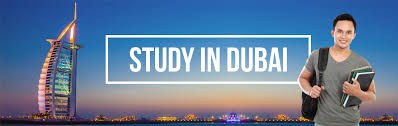
Burj Al Arab: A luxury hotel shaped like a sail, considered one of the most luxurious hotels in the world.
Dubai Marina: A man-made canal city, famous for its skyscrapers, shopping, dining, and yacht-filled marina.
The Dubai Mall: One of the largest shopping malls in the world, featuring over 1,200 stores, an ice rink, an aquarium, and numerous entertainment options.
Dubai Fountain: A massive dancing fountain located outside the Dubai Mall, offering spectacular water shows set to music.
Dubai Opera: A world-class venue for opera, theater, and concerts located in downtown Dubai.
Education
International Schools: Dubai is home to numerous international schools, with curricula including British, American, Indian, French, and International Baccalaureate (IB).
Higher Education: Dubai is also a hub for international universities. Major institutions like The University of Wollongong, Heriot-Watt University, and American University in Dubai have campuses in the city.